


Purchase orders accepted
Does Teen Music (Rap, Rock & Roll) Belong in the Classroom?
Chris Brewer, M.A.
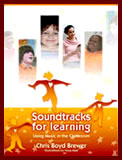
Chris Brewer, M.A., a noted authority on the integration of music throughout the curriculum, discusses the benefits of of music in our daily lives -- and the similar benefits of using music to enhance the learning environment. "If you have never tried using music in these ways.... please do!" -- Chris Brewer Excerpted, with permission, from Chris Brewer's Soundtracks for Learning: Using Music in the Classroom. Order from Chris Brewer Order from Amazon.com Is the high-energy music teens listen to really necessary? Yes. I believe there is value to its intensity. I can still remember how music helped me in my adolescent years while irking my parents, who had no need for such high-energy sounds. Teenagers’ choice of music has been an age-old mystery to adults, who are rarely able to relate to the sounds and lyrics of the younger generation’s music. The answer to this longstanding conflict may lie in the developing teen brain. Research has shown that there is much restructuring going on in the teen brain and body; in fact, the adolescent brain actually functions quite differently from the adult brain (Giedd et al., 1999). No wonder it’s sometimes hard for teens and adults to relate. I personally believe adolescence involves intense levels of internal stimuli. The changes in physiology, plus the emotional ups and downs innate to the teen years, can create such overwhelming internal activity that outside stimuli don’t have much effect. Teens also have unique brain activity that loosens risk-taking inhibitions, and they are prone to behavior that may be loud, energetic, and risky (Feinstein, 2004). Music therapists have recognized that there are times when a person’s internal experiences are so intense that outside stimuli can’t get through. For example, physical, mental, and emotional pain can block other input and be discomforting. Depression is an all-too-commonly-experienced emotional pain that can become overwhelming. I believe teens select high-intensity music because it takes this level of sound to get their attention above the roar of the high internal stimuli they experience. Adolescents may intuitively use the iso-moodic technique (see page 33) to help them shift their focus away from their troubling inner world. The use of high-energy music is a clever way teens can match (or exceed) the intensity of their current state and gain relief from inner tensions. The music may also help structure their intense feelings into a beat and a pulse. I have also found that we can teach teens new ways of using music to assist them through the adolescent years. The Finding New Rhythms story is an example of this possibility (see page 44). The Soundtracks for Learning activities include music techniques to focus high energy and calm intense feelings (see pages 77-94). These methods expose teens to various styles of music and techniques that can help them manage emotions and energy in new, productive ways. References: Feinstein, S. (2004). Secrets of the Teenage Brain: Research-Based Strategies for Reaching and Teaching Today’s Adolescents. Thousand Oaks, CA: The Brain Store®/Corwin Press. Giedd, J.N., Blumenthal, J., Jefferies, N.O., Castellanos, F.X., Liu, H., Zijdenbos, A., et al. (1999). Brain development during childhood and adolescence: A longitudinal MRI study. Nature Neuroscience.
|
|
Songs for Teaching®
Using Music to Promote Learning
5501 W. Ross Dr.
Chandler, AZ 85226
800-649-5514 (480-689-1190)
© 2002-2012 Songs for Teaching® All rights reserved.
